
The Last Grocery Trip Before SHTF
There’s a strange window before some emergencies where everything is still technically normal, but you can tell it may not stay that way for long. The stores are open, the lights are on, the roads are still passable, but a storm is moving in, the grid is acting strange, deliveries are getting disrupted, or something bigger is starting to unfold.
That’s when you start asking yourself whether you need to make one last grocery run.
It sounds simple, but this is exactly where people can make bad decisions. The goal isn’t to race to Walmart and start grabbing whatever everyone else is grabbing. The goal is to understand what kind of emergency you’re actually dealing with, identify the weak spots in your household, and get home before the situation gets worse.
Figure Out the Emergency First
Not every SHTF situation creates the same grocery problem. A supply-chain disruption might leave your electricity, water, and natural gas completely normal while certain foods and supplies disappear from shelves. A blackout could create the opposite problem, where the store still has plenty of food but refrigeration, electric cooking, ATMs, card readers, and even water service could become unreliable.
A winter storm might mean you’re stuck home for a few days, while a major infrastructure failure could stretch much longer. Before you leave, try to answer two basic questions: how long could this realistically last, and what systems could stop working?
Those answers should shape most of what ends up in your cart.
Shop the Gaps, Not the Panic
Before heading out, take a quick inventory of what you already have. Most households probably have more food than they think, but it’s usually uneven. You might have plenty of pasta but almost no protein, a freezer full of meat but very little shelf-stable food, or two weeks of food for the family and three days of dog food.
That’s what your last grocery trip should really be about. Fill the gaps first instead of buying ten cases of water because the guy next to you is buying ten cases of water. If your bigger problem is cooking fuel, medications, batteries, sanitation supplies, or pet food, then that’s where your money should go.
The Trip Itself Matters
Before leaving, check what’s happening around you. Look at emergency alerts, weather reports, road conditions, utility updates, local news, and even local social media. You want to know whether the situation is stabilizing or moving in the wrong direction.
The drive itself can tell you a lot too. Long gas lines, packed parking lots, emergency vehicles, closed businesses, and people suddenly driving like maniacs can show you how far the public reaction has progressed. If things look significantly worse than they did twenty minutes earlier, that may change whether the trip is still worth it.
Where you shop matters too. The biggest store in town may also be where everyone else is headed, while smaller grocery stores, hardware stores, drugstores, or farm stores may still have useful supplies without the same level of chaos.
Some Things Matter More Than Food
Food and water are obvious, but some of the most important things on this trip may be the things that are hardest to replace later. Prescription medications, baby formula, pet food, diapers, first-aid supplies, hygiene products, and cooking fuel can all become much bigger problems than another missing box of cereal.
A good rule is to prioritize anything your household absolutely depends on and anything that would be difficult to substitute once stores start closing or shelves start thinning out.
Every Food Has a Hidden Cost
One of the easiest things to overlook is that food doesn’t just cost money during an emergency. It can also cost water, fuel, refrigeration, time, and cleanup.
Rice and dry beans are great emergency foods, but they require water and cooking fuel. Frozen food can be useful during a supply shortage, but if you’re expecting a blackout, loading up on frozen meat could quickly turn into a race against spoilage.
Ready-to-eat food becomes much more valuable when utilities are uncertain. Canned meats, peanut butter, crackers, tuna packets, protein bars, and similar foods give you calories without requiring much water, fuel, or preparation.
So instead of only asking, “Will this food last?” it’s also worth asking, “What do I need in order to actually eat this?”
The Best Last Grocery Trip Is a Small One
The real goal of preparedness is to make this entire trip less important. If you already keep a deeper pantry, extra water, medications, fuel, and the normal things your household uses, your “last grocery trip” might just be a quick top-off for fresh food, prescriptions, fuel, or a few household essentials.
That’s very different from trying to build an emergency pantry while everyone else in town is doing the exact same thing.
In the full episode, we get into the shortages that tend to show up after the first wave, what checkout can look like when payment systems start failing, how to handle cold storage, what food you should use first once you get home, and how to know when you’ve bought enough and it’s time to leave.
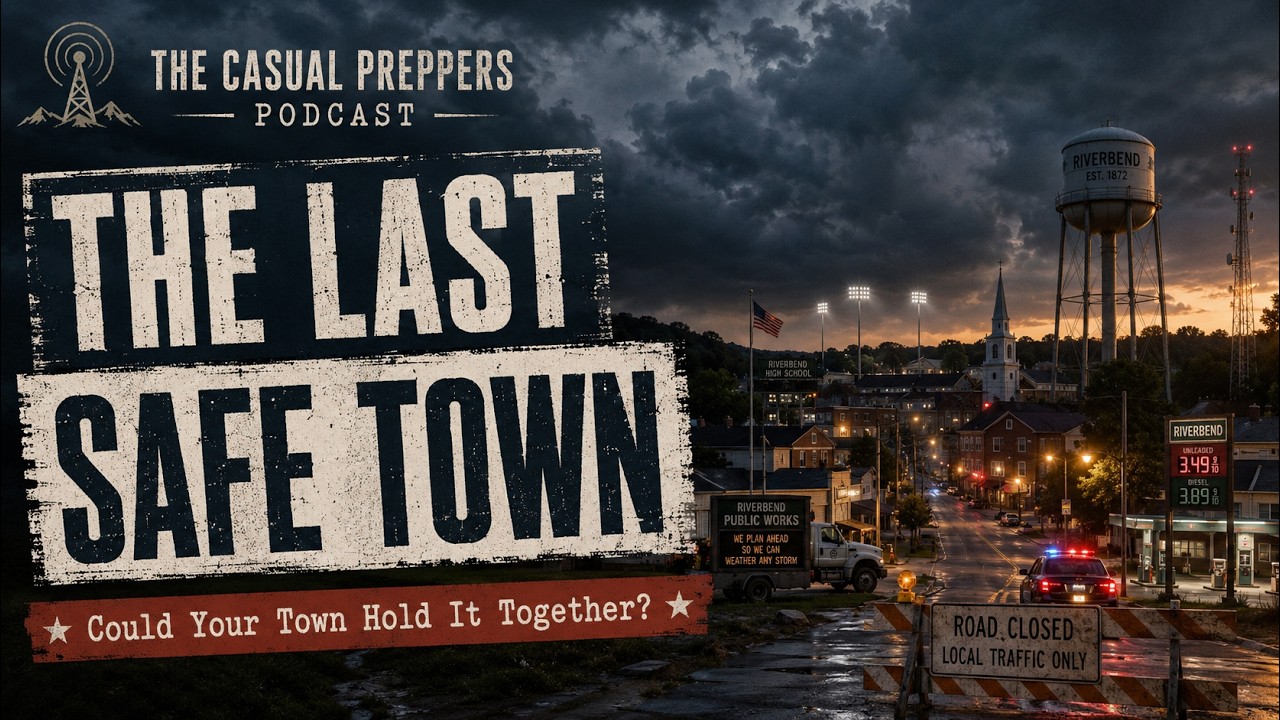
Listen to “The Last Grocery Trip Before SHTF” on The Casual Preppers Podcast.
Stay Survived.




That “everything is still technically normal” window is easy to underestimate, especially when roads are passable but deliveries are already slipping. I’ve been using https://png-to-stl.site
That “strange window” before an emergency is easy to underestimate, especially when stores and roads still seem normal. I’m rethinking my last grocery run and using https://hitem3d.site/hitem3d-tutorial-beginners
That “everything is still technically normal” window is easy to underestimate, especially when roads and deliveries are already getting shaky. I’ve been using https://prisma3d.pro/prisma3d-vs-blender
The “strange window” before an emergency is easy to underestimate, especially when stores and roads still seem normal. I’ve been using https://siliconflow.pro/what-is-siliconflow
That “everything is still technically normal” window is easy to underestimate, especially when the grid and deliveries start acting strange. I’m rethinking my last-minute grocery checklist—I've been using https://base44-pricing.github.io/