

The Suburban Prepper: Why the Middle Ground Might Be the Smartest Place to Prepare
When most people picture a prepper, they imagine two extremes: a rural homesteader living off-grid…or an urban survivor navigating concrete chaos.
But the truth is, most real preparedness happens somewhere in between.
Welcome to suburban prepping—where garages, cul-de-sacs, fences, and weekend projects quietly become the foundation of your survival plan.
This episode takes a hard look at what it means to prepare in the neighborhoods where most people actually live.
🏠 What Makes a Suburban Prepper Different?
Suburban prepping is all about balance. You’ve got more space than a city apartment but more restrictions than a rural property. You have neighbors close enough to help, but also close enough to notice what you’re up to.
And unlike the fantasy of the off-grid cabin, suburbia is where most “everyday disasters” actually play out—storms, outages, job loss, medical emergencies… the things that hit families hardest.
It’s preparedness that has to blend in with normal life.
🔋 Why Suburbia Might Actually Be an Advantage
You’ll hear us dive into this on the show, but here are a few key points:
You’re close to everything you need. Hardware stores, groceries, pharmacies—prepping is easier when supplies are nearby.
Neighbors can be a real asset. A few capable households working together can stabilize an entire street during a crisis.
Your home is easier to defend. Fewer entry points, less open land to secure, and people nearby if trouble starts.
You have room for subtle preparedness. Rain barrels, a small garden, extra water, a generator tucked away—nothing extreme, all effective.
It’s a sweet spot that doesn’t get talked about enough.
🚧 But It’s Not All Easy
Suburban prepping comes with unique challenges too:
HOAs and ordinances that limit what you can store, build, grow, or park.
Privacy issues—everyone sees everything.
Dependence on city infrastructure, which means outages hit fast and hard.
Security quirks like package theft, garage vulnerabilities, and low visibility at night.
Most of the episode focuses on these tradeoffs and how to prepare inside those boundaries without drawing attention.
🧰 What a Suburban Prepper’s Setup Actually Looks Like
We don’t give away every detail here, but the basics include:
Dual-purpose gear (camping equipment, garden tools, backups that don’t look like “prepper gear”)
Vehicles as mobile caches, because SUVs blend in perfectly
Low-profile home upgrades like reinforced doors, cameras, or motion lighting
Small but productive gardening options, including edible landscaping and disguised rain barrels
If you’re prepping in suburbia, you don’t need to look hardcore—you just need to plan smarter.
👥 The Neighborhood Factor
This is where suburbia shines.
You’re close enough to actually know your neighbors, and that makes a difference. A simple conversation, a shared tool, or a group text can eventually become a small mutual-aid network when things go sideways.
Of course, blending in still matters. Not everyone needs to know what you have stored in the garage.
We talk through how to build trust, who to avoid, and why “gray man” is practically built for suburban life.
🚗 Bug Out or Stay Put?
One of the most interesting dilemmas for suburban preppers: Is it smarter to shelter in place or leave?
Both options are stronger in suburbia than anywhere else—but only if you plan ahead.
We break down what factors actually matter, and why the middle ground might give you the most flexibility in a fast-moving emergency.
⚖️ Suburbia: The Overlooked Prepper Sweet Spot
Rural preppers have space. Urban preppers have resources. Suburban preppers get a bit of both.
If you prepare intentionally—and quietly—you can build a system that works without turning your life upside down. The comfort of suburbia can make you soft, but it can also give you the time and stability to build something solid.
We get into all of that in the full episode.
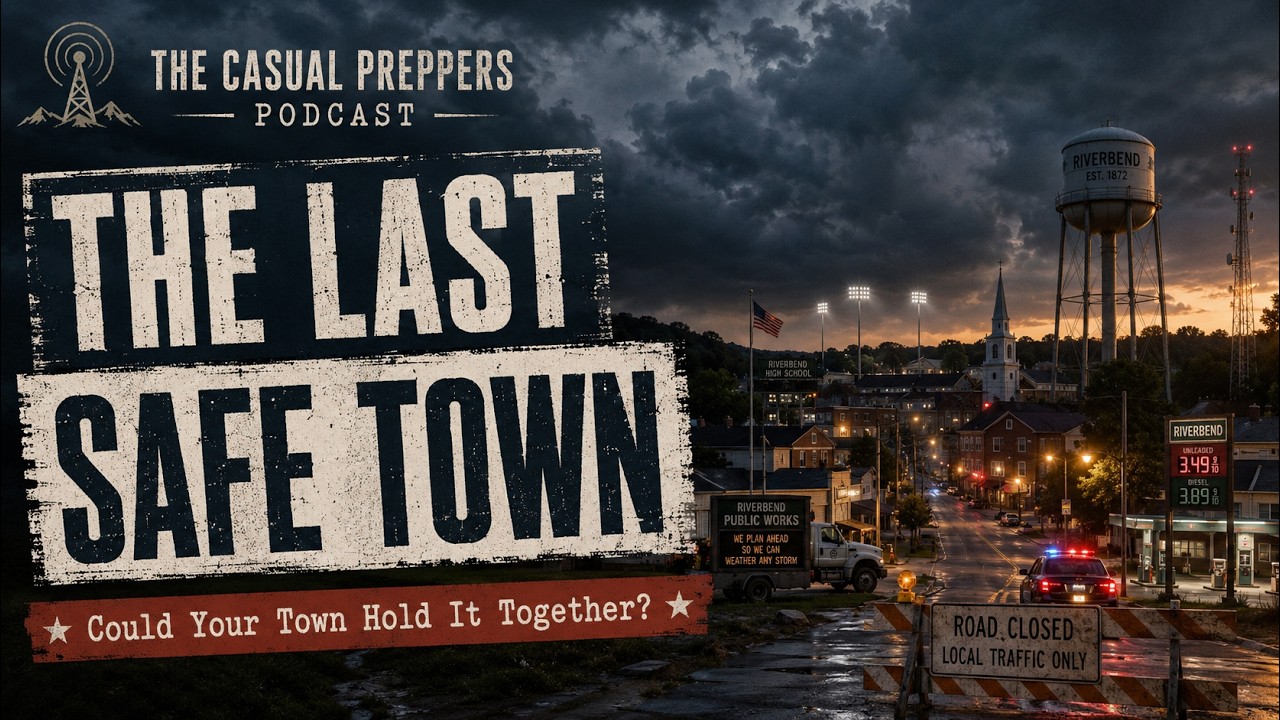
If you want the full breakdown—including strategies, mindset, real-world examples, and all the weird little challenges of suburban life—check out the episode here:




Comments